Downtown LaSalle has been through some interesting times.
The area is now a National Register of Historic Places Historic District. Learn more about the historic buildings in the district through its National Park Service form.
Our history is in our streets!
Check out some of the major epochs the area has seen and see if you can spot their relics!
LaSalle: Canal Port, 1836-1933
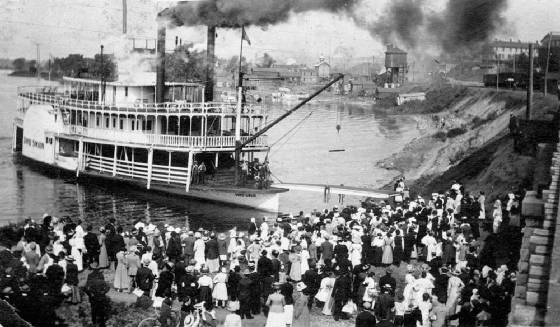
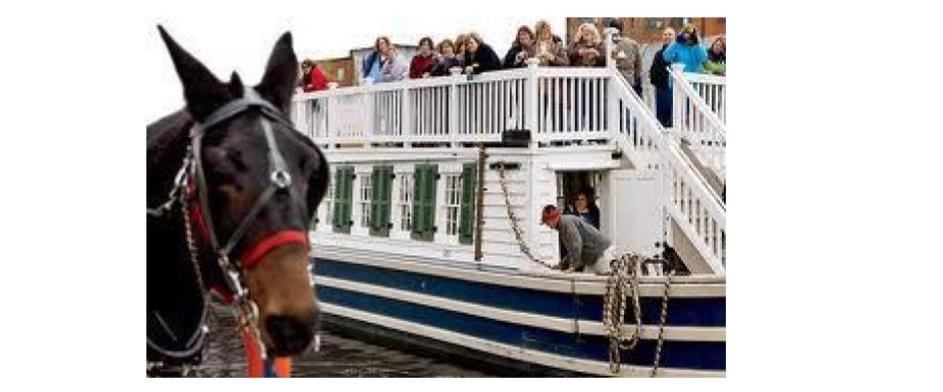
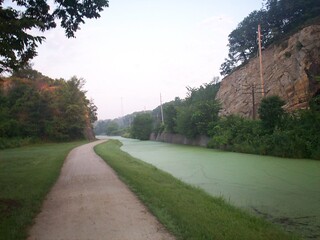
The Illinois and Michigan Canal was first thought up by French explorers, Father Marquette and Louis Joliet. Much later, when Illinois became a state, the idea of a canal connecting Lake Michigan to the Illinois River was supported by many, including Abraham Lincoln. The 96 miles long canal was finally constructed between 1836 and 1848. Upon its completion, Chicago became and eastern terminus and LaSalle became the western terminus. LaSalle boomed as a transshipment point from canal boats coming from Chicago to steamboats going to St. Louis and New Orleans. It became a place where Northern and Southern culture met.
It is difficult to imagine the level of frenzied activity that once took place at locks 14 and 15, the canal boat basin and the steamboat basin. Steamboats from New Orleans unloaded molasses, sugar, coffee, and fresh oranges and lemons. Canal boats from Chicago brought lumber, stoves, wagons, and the latest clothing styles form the east. Local farmers hauled corn and wheat to be shipped to Chicago and points east. Passengers hustled to make connections to canal boats bound for Chicago or steamboats headed to St. Louis and beyond. Hotels and other services were available to travelers. Forwarding and commission agents abounded, and stores catering to the canal trade were numerous.
To learn more about the Canal’s Story check out the I&M Canal Visitor’s Center/Lock 16, take a tour on the mule-pulled I&M Canal Boat, visit the Locks 14 & 15, rent a bike and explore the I&M Canal State Trail, visit the Starved Rock Visitor Center to learn about the French explorers who first envisioned the canal, check out the canal’s replacement at the Illinois Waterway Visitor Center.
LaSalle: Zinc City, 1858-1978
By the mid 1850s, LaSalle had begun to exploit the coal that lay underneath much of the city. The LaSalle Coal Mining Company completed the first shaft in 1856 and many other companies soon followed suit. By 1884 there were six shafts in the area, the deepest 452 feet.
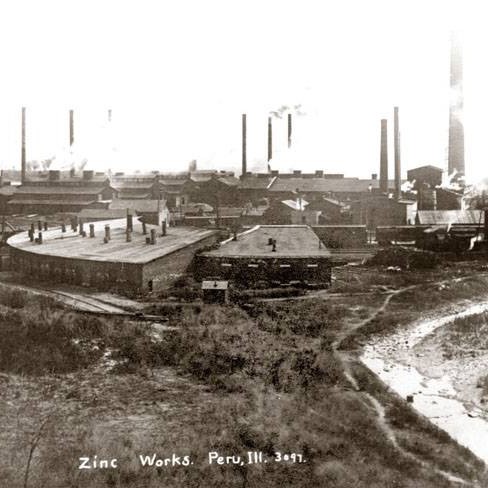
The history of LaSalle would have played out very differently were it not for the arrival of two immigrants in 1858. Frederick W. Matthiessen met German born Edward C. Hegeler at a prestigious mining school, and after graduating in 1856, the two traveled together to the United States. In 1858, attracted by the abundance of coal, coupled with the excellent transportation links provided by the canal and railroads, they chose LaSalle as the site for an innovative zinc smelting plant –the first in the United States. Before the plant opened, nearly all of the zinc used in the United States was imported. Zinc is needed to make brass and was a common fire-proofing material. Most significantly, zinc was used to prevent corrosion of iron and steel. With the opening of the first steel production plant in Joliet in the early 1870s, zinc became an important part of the local industrial economy. In a decade the Matthiessen and Hegeler Zinc Works became the largest producer of zinc in the country, and one of the largest in the world.
The Matthiessens, Hegelers and their families were very involved in developing the industry and community. They helped fund industries such as the LaSalle Machine and Tool Company and the Western Clock Co. that would later become [link: Westclox]. Mary Hegeler married Dr. Paul Carus, who founded the Open Court Press in 1887, whose mission was “establishing ethics and religion upon a scientific basis” and introduced Eastern thought to the United States, making LaSalle, “Buddhism’s Gateway to the West.” Matthiessen was a philanthropist, who served as Mayor of LaSalle from 1886-1895. He gave thousands of dollars to help build the sewer system, the electric light plant, and various roads and bridges. As the first president of the LaSalle-Peru High School Board, he was a generous donor to the school. In 1914, Matthiessen established the Hygienic Institute to combat epidemics. A public benefactor in the best sense of the word, Matthiessen opened much of his estate, called Deer Park, to the public with the nominal entrance fee going to charity. One the day of his funeral in February 1918, the entire community suspended all business between 11 and 12 o’clock. In 1943, Deer Park became Matthiessen State Park, named in his honor.
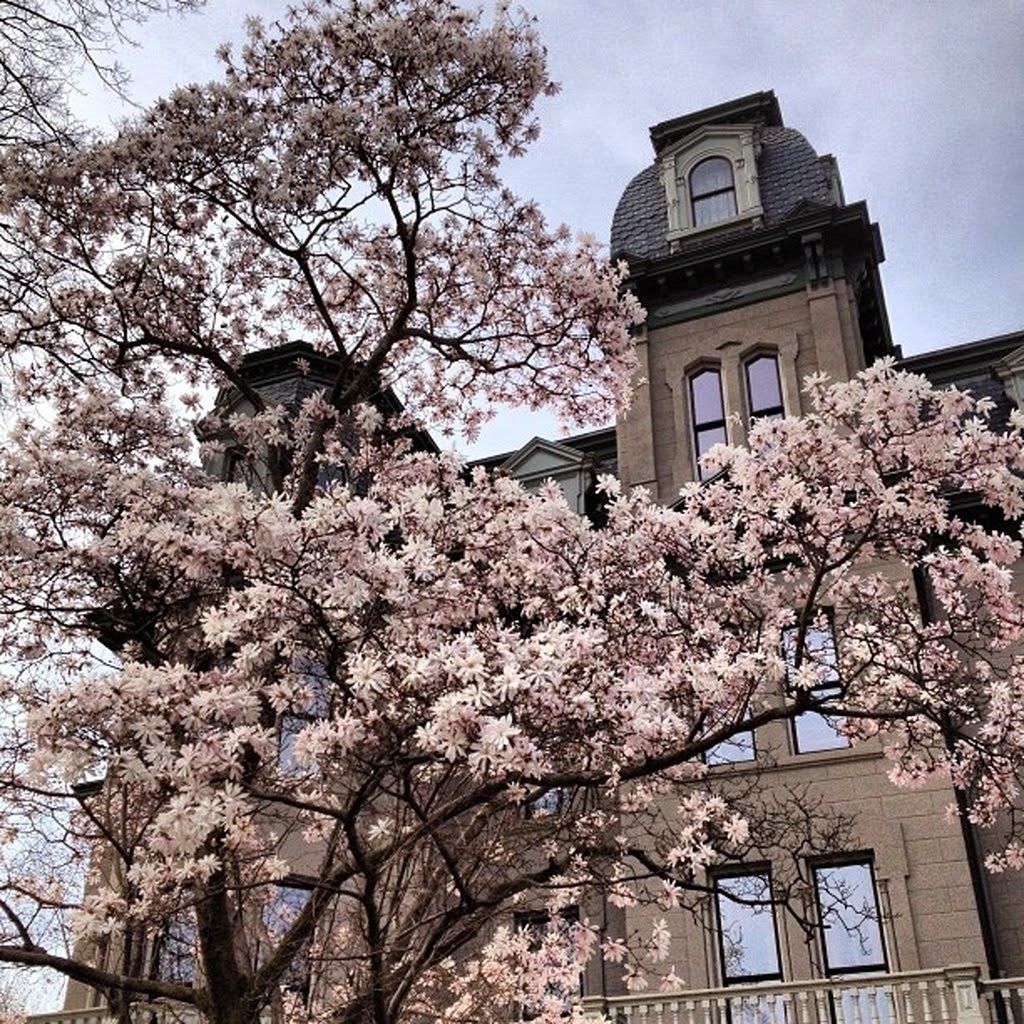
To hear more about Zinc City’s Story, visit the Hegeler Carus Mansion!
La Salle: Clock City, 1884-1980
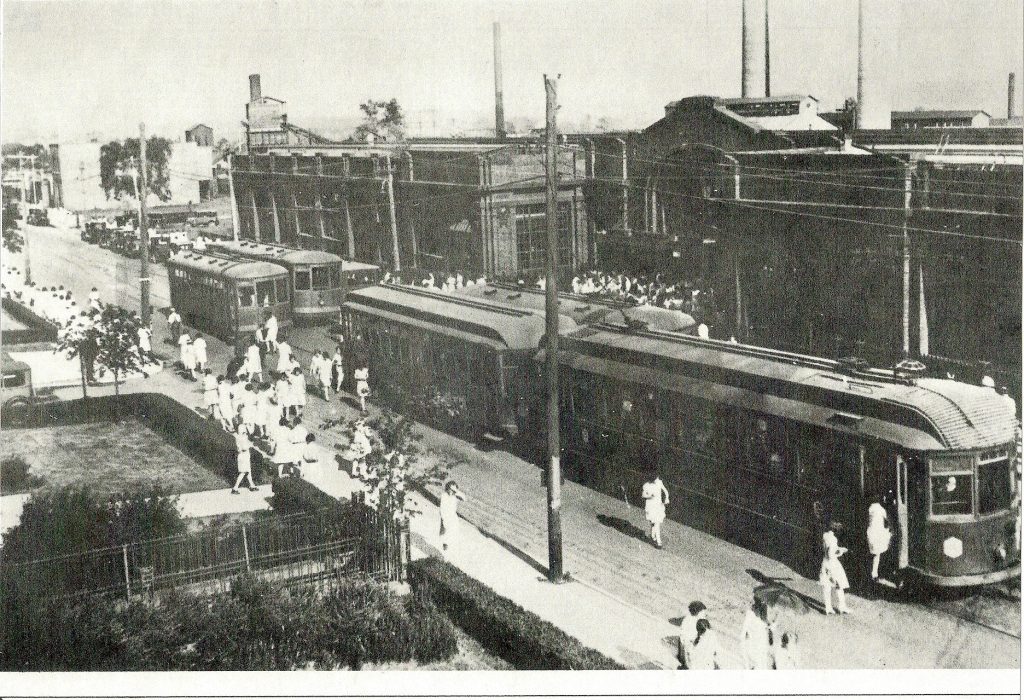
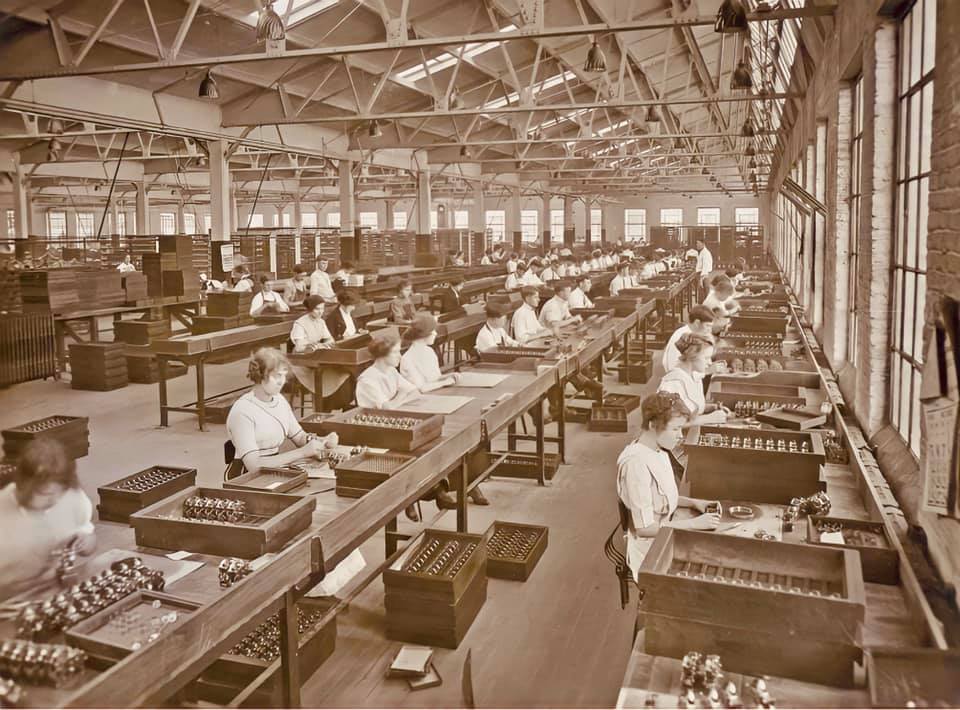
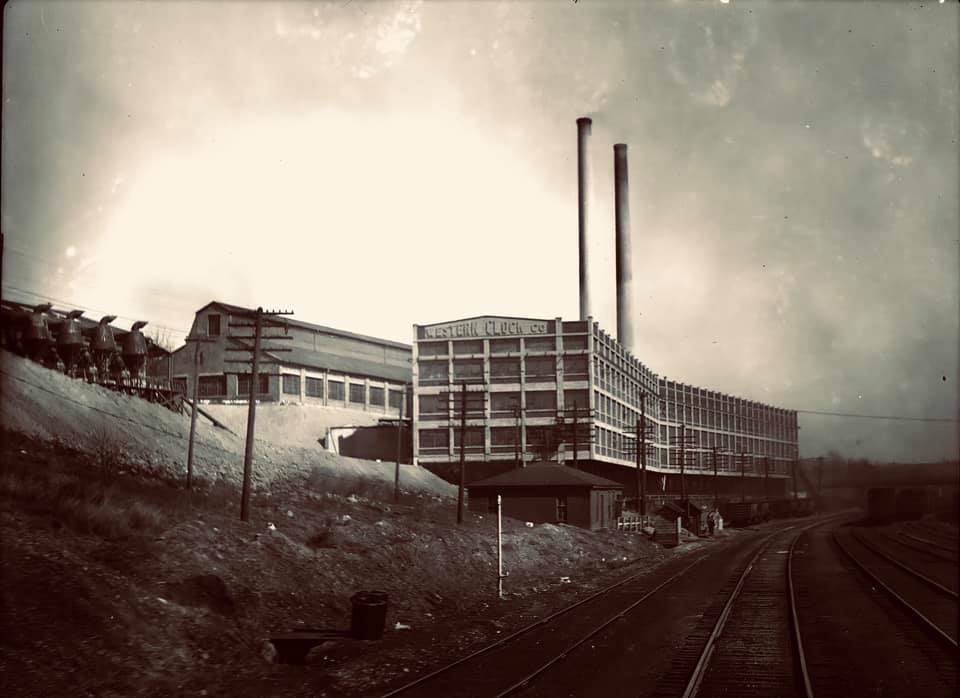
In 1884, Stahlberg started the United Clock Company in Peru. Shortly after it went bankrupt and was reorganized with the help of Mr. Matthiessen as the Western Clock Company. By 1905 it had grown into a national company, producing over 1 million alarm clocks per year. In 1909 they trademarked “Westclox.” In 1917 they became a model for workers’ benefits, one of the early companies to pay life insurance and have a safety committee, later limiting the work week and building a company park with tennis court and horseshoe courts, school for watchmakers, and scholarships. The company also developed housing for its workers. In 1935 it was the safest company in the nation with 11 million hours without a lost time accident. Despite these advances, one company that they worked with, the Radium Dial Company, saw its employees get radiation poisoning from working with radium.
During World War II the company made mechanical fuses for the government and saw over 600 employees in the armed forces. At its height it manufacture nearly 2 million clocks and watches annually and employed over 4,000. It closed the Peru factory in 1980, leaving only memories of its golden age.
To hear more about Clock City Story, visit the Westclox Museum!
LaSalle: Little Reno, 1933-1953

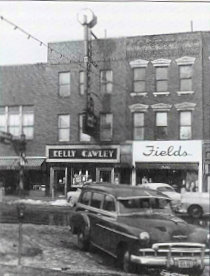
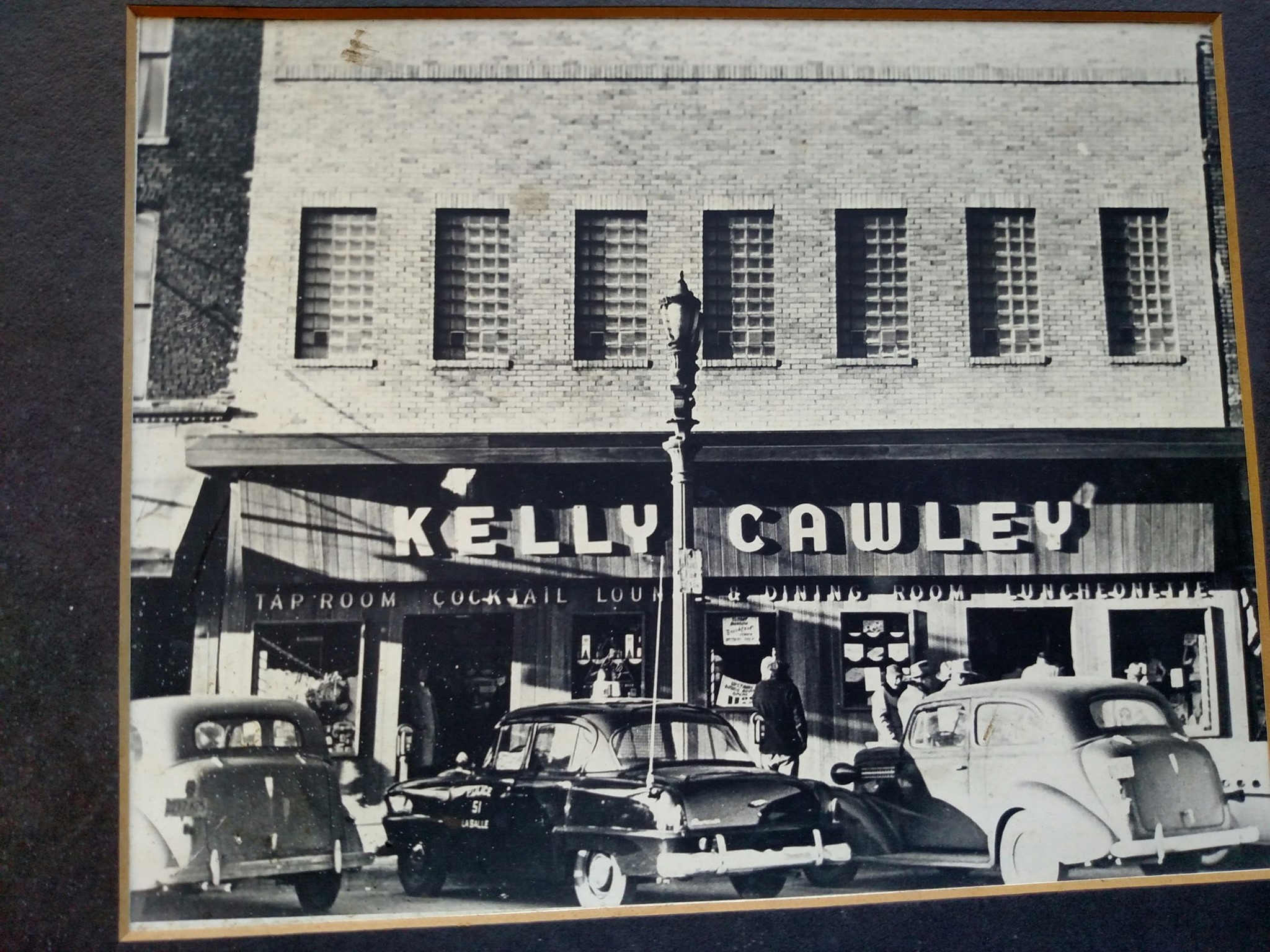
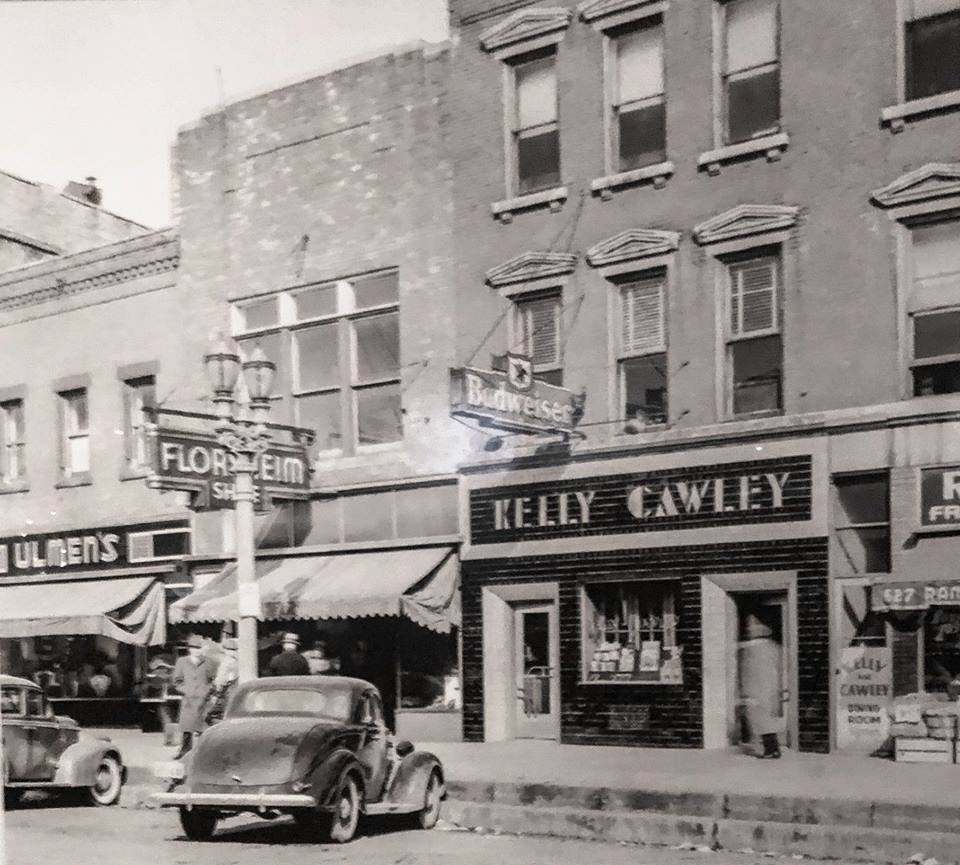
With the end of Prohibition in 1933, saloons no longer operated under the euphemism of “soft drink” vendors, and these and related gambling concerns flourished. Although illegal, gambling proliferated in LaSalle, supporting the abundant and related tobacco, liquor, food, and lodging business.
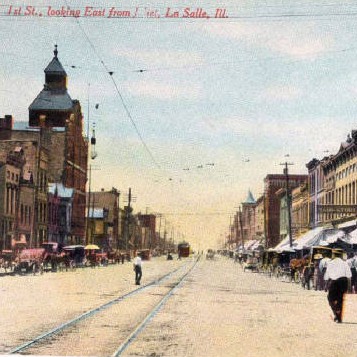
Travelers arrived by car or via the Rock Island Rocket from Chicago for a Saturday night’s revelry in such numbers that the streets of LaSalle are said to have been standing-room only. There was wall to wall entertainment along First Street, at the heart of which was the Kelly and Cawley liquor and gamling house. LaSalle became known as “Little Reno” and boasted clubs such as Tinny’s Silver Congo Lounge, the Gay Mill, the Cotton Club, and Club 359. With between 60 and 80 saloons in LaSalle from 1940 to 1950 this continued to be the town’s primary commercial enterprise. In 1953 a federal raid on Kelly and Cawley’s ended the era.